
Key Takeaways
Renovating before renting can raise rent, attract tenants and reduce early maintenance, but only when the upgrades are chosen carefully and the added income justifies the cost and the delay.
Renting as-is gets income started sooner and avoids upfront spending, but it can lead to longer vacancies, lower rent or higher repair costs if the home is not truly rentable.
Always separate must-do safety and habitability work from optional upgrades, estimate the return on each project and verify current Texas requirements before you decide.
Property owners preparing to rent out a home often face an important decision: should they invest in renovations before listing the property, or rent it in its current condition and begin generating income sooner?
Spending too much on improvements can make it difficult to recover the investment, while putting a property on the market before it is ready could result in leasing challenges and costly repairs.
The right approach depends on the property's current condition, available budget, target rental market, and long-term investment goals. Azure Sky Realty explains the advantages and disadvantages of both options to help owners make a more informed decision.
Start With What Must Be Done
Some property improvements are essential rather than optional. Rental homes generally need to meet applicable safety and habitability standards, and Texas law establishes requirements concerning rental property conditions and certain security devices.
Before investing in cosmetic improvements, arrange for the property to be inspected and document any necessary repairs. Addressing these concerns establishes the minimum standard the home should meet before occupancy and ensures legal compliance.
Whether you ultimately renovate extensively or rent the property in its current condition, essential repairs should not be postponed to save money.
The Case for Renovating First
Renovating before renting can improve a property's appeal and potentially increase its earning potential. Updated kitchens and bathrooms, fresh paint, attractive flooring, and modern fixtures can help a home stand out in the rental market.
A well-maintained property can create a stronger first impression and appeal to prospective renters who value a clean, functional living environment. Depending on local demand and the quality of the improvements, these upgrades may also help justify a higher rental rate.
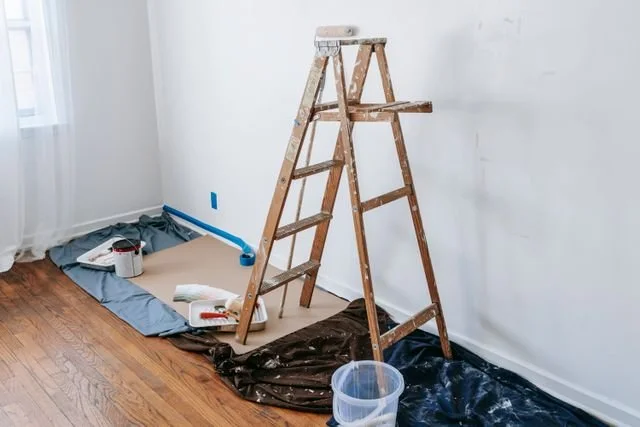
Completing renovations before the first renter moves in offers another practical advantage: the property is vacant. Contractors can complete projects without disrupting an occupant's daily routine or worrying about personal belongings.
The Case for Renting As-Is
Renting a property in its current condition can help owners begin collecting income sooner while preserving cash for other investment priorities. If a home is clean, safe, and fully functional, dated finishes may not prevent it from attracting tenants, particularly when the rental price reflects its condition.
Some owners may also prefer to evaluate how a property performs in the market before committing to additional improvements. This approach can provide insight into what prospective renters value most and which upgrades might offer a meaningful return.
However, renting as-is comes with potential drawbacks. Outdated appearances or visible wear may make the property less competitive, resulting in longer vacancy periods or the need to accept a lower rental rate.
Existing problems that go unnoticed may also become more expensive to address after move-in, especially when repairs require immediate attention. Renting without extensive renovations is most practical when the home is already in genuinely good functional condition.
Compare Costs and Returns Project by Project
Rather than treating renovation as one large financial decision, evaluate each potential improvement individually. This makes it easier to determine which projects are worthwhile and which may consume more money than they return.
Start by calculating the total cost of each project, including materials, labor, permits, and any rental income lost while the work is underway. Next, consider the potential benefits. Will the improvement increase the achievable rental rate, reduce vacancy time, simply bring the property up to an acceptable rental standard?

Finally, estimate how long it will take to recover the investment through additional rental income or reduced expenses. Projects with relatively predictable returns, such as fresh paint and functional fixtures, may be easier to justify than expensive renovations with uncertain financial benefits.
Obtain multiple contractor estimates, account for unexpected expenses, and avoid assuming that every improvement will translate into higher rent. Conservative projections can help owners make more realistic investment decisions.
Upgrades That Often Make Sense
The most valuable improvements depend on the property's condition, location, and target rental market. However, several types of upgrades can make a rental more appealing while supporting its long-term functionality.
Fresh paint in neutral colors can make rooms look cleaner and brighter without requiring a substantial investment. Durable flooring that is easy to clean and maintain can improve the property's appearance while reducing the likelihood of frequent replacement.
Heating and cooling systems also deserve attention, particularly in the Texas climate. Ensuring these systems operate efficiently can improve comfort and potentially reduce operating costs. Outside, simple landscaping, a well-maintained entryway, and appropriate safety and security features can contribute to a positive first impression.
The goal is to prioritize improvements that make the property more functional, attractive, and durable rather than spending money on upgrades that provide little practical value.
Upgrades That May Not Pay Off
Expensive finishes and highly personalized design choices do not always make financial sense for rental properties. Prospective renters may appreciate attractive materials, but they are not necessarily willing to pay significantly more for luxury features in a home they do not own.
Delicate surfaces and specialty materials may also be more vulnerable to everyday wear, increasing future repair and replacement costs.
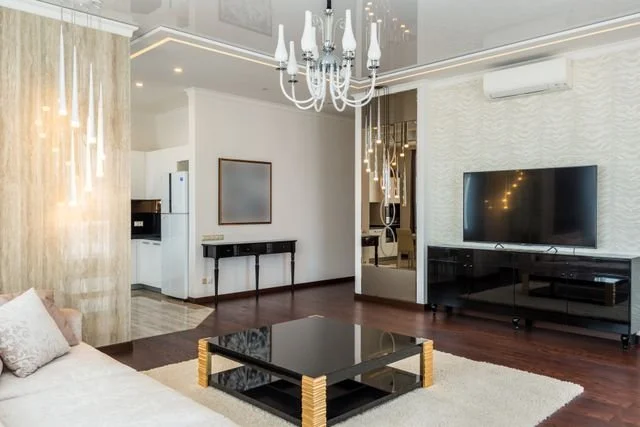
Owners should also consider whether an upgrade will create additional maintenance responsibilities. If an improvement is unlikely to increase rental income, reduce operating costs, or address an essential property concern, its value should be carefully reconsidered.
For most rental investments, simple, durable, and readily repairable materials provide a more practical balance between appearance and long-term ownership expenses.
Know Your Tenant Market
The Bryan-College Station rental market is strongly influenced by Texas A&M University, which contributes to demand from students and other university-affiliated renters. Student-oriented renters may prioritize convenient locations, functional layouts, durable materials, and reasonable rental rates.
Families, professionals, and university employees may have different priorities when evaluating a rental home. Some may place greater importance on updated kitchens, storage, outdoor spaces, or features that support longer-term occupancy. Before committing to renovations, consider which renter demographic the property is best positioned to serve.
Durability is particularly important for properties marketed toward students or other renters who may experience frequent turnover. Flooring, paint, and fixtures designed to withstand regular use can help control expenses over time.
Timing and Vacancy Costs
Renovation expenses involve more than contractor invoices and material purchases. Every week a property remains unavailable for rent represents potential income that an owner may lose. For that reason, the project timeline should be included when evaluating whether an upgrade is worthwhile.
Before beginning work, establish a realistic schedule, order materials in advance, and coordinate contractor availability. Construction delays and unexpected repairs can extend the timeline, so building in additional time can help prevent rushed decisions.

A phased approach may provide a practical alternative to completing every improvement at once. Owners can address essential repairs, prepare the property for occupancy, and begin generating rental income before scheduling optional upgrades during a future vacancy
Bottom Line
Deciding whether to renovate before renting or offer a property as-is requires balancing upfront expenses, potential rental income, vacancy costs, and long-term maintenance needs. There is no single approach that works for every investment.
Owners should address essential safety and habitability concerns first, evaluate optional improvements individually, and prioritize durable upgrades that provide measurable value.
Azure Sky Realty can help you evaluate your rental property's potential, understand local market conditions, and develop a management strategy that supports your investment goals. Contact us today to learn how we can help you prepare your property for the rental market.
Frequently Asked Questions About Renovating Before Renting
Is It Better to Renovate a Rental Property Before Listing It?
It depends on the property's current condition, rental market, and potential return on investment. Renovations may help attract more prospective renters, reduce vacancy time, and support a higher rental rate.
However, extensive upgrades may not be worthwhile if the additional income does not justify the expense. Owners should address essential repairs first, then evaluate cosmetic improvements based on local rental demand and their long-term investment goals.
Which Renovations Add the Most Value to a Rental Property?
Improvements that enhance functionality, durability, and overall appearance often provide the most practical value. Fresh paint, durable flooring, updated fixtures, and well-maintained heating and cooling systems can make a property more appealing without requiring a complete remodel.
The best projects depend on the home's condition and target rental market. Before investing, owners should compare contractor estimates with the potential increase in rental income or reduction in future operating expenses.
Can I Rent Out a Property Without Renovating It?
Yes, provided the property meets applicable safety and habitability requirements and is in suitable condition for occupancy. A rental home does not necessarily need modern finishes or luxury upgrades to attract renters.
However, owners should address necessary repairs, ensure essential systems function properly, and make sure the property is clean and presentable. Pricing the home appropriately for its condition can also help it remain competitive in the local rental market.
How Do Renovations Affect Rental Property Vacancy Costs?
Renovations can temporarily delay leasing because the property may not be rent-ready. While improvements may help reduce vacancy over the long term by making the home more attractive, extended construction schedules can result in lost rental income.
Owners should include expected vacancy costs when calculating a project's return. Planning ahead, coordinating contractors, and prioritizing essential improvements can help keep renovation timelines manageable.
How Can a Property Manager Help Me Decide Whether to Renovate?
A property manager familiar with the local market can help evaluate a home's rental potential, identify improvements that prospective renters may value, and estimate an achievable rental rate. They may also coordinate contractors and help owners prioritize projects based on cost, timing, and expected benefits.
For Bryan-College Station property owners, Azure Sky Realty can provide local insight to help determine whether renovating or renting a property as-is better supports their investment objectives.