
How to Rent Out a House in Texas
A Step-by-Step Guide for Property Owners
Thinking about renting out your home?
If you're wondering how to rent your house in Texas, this guide walks through the key steps property owners should understand before placing a home on the rental market.
Whether you're relocating, inheriting a property, moving into a new home, or exploring real estate investing, renting out a house can create additional income and long-term wealth. However, becoming a landlord involves more than simply placing a "For Lease" sign in the yard.
Property owners must determine an appropriate rental price, prepare the home for the market, understand Texas rental laws, screen applicants, manage maintenance, and protect their investment throughout the leasing process.
This guide walks through the key steps involved in renting out a house in Texas and highlights important considerations that can help you avoid costly mistakes and make informed decisions.
Not sure whether renting is the right option?
Every property and situation is different. If you'd like guidance on rental pricing, market conditions, investment performance, or professional property management, request a free rental analysis or schedule a consultation with Azure Sky Realty.
Step 1: Determine Whether Renting Is the Right Option
Before preparing your home for the rental market, it's important to determine whether renting aligns with your financial goals and long-term plans.
Many homeowners choose to rent because they are relocating, have inherited a property, purchased a new home, or want to generate additional income while building long-term wealth through real estate ownership.
Four Questions to Consider
1. What Are My Long-Term Goals?
Before evaluating rental rates, tenant screening, or property management options, it's important to understand why you're considering renting the property in the first place.
Different goals often lead to different decisions. A homeowner relocating for a few years may view the property very differently than an investor building a long-term rental portfolio. Likewise, someone who inherited a property may have different priorities than someone choosing between selling and renting.
Some owners rent their homes to generate monthly income and build long-term wealth through real estate ownership. Others rent because they believe the property will appreciate in value over time or because current market conditions may not support their desired sales price.
In some situations, renting can provide flexibility. Owners who expect to return to the area in the future may prefer to keep the property rather than sell it. Others may choose to rent while waiting for planned developments, infrastructure improvements, or neighborhood growth that could increase future property values.
Another important consideration is whether the property is truly ready to be rented. A home may be perfectly suitable for an owner-occupant while still requiring repairs, maintenance, safety improvements, cleaning, or cosmetic updates before it can be successfully marketed to prospective tenants.
Property owners should evaluate the home's condition from a tenant's perspective. Deferred maintenance, aging systems, worn flooring, outdated fixtures, landscaping concerns, or incomplete repairs can affect both rental demand and achievable rental rates. In some cases, strategic improvements may increase marketability and help justify a higher rental rate.
Before moving forward, consider questions such as:
Am I looking for monthly income, long-term appreciation, or both?
How long do I expect to keep the property?
Would selling the property better accomplish my goals?
Is the property currently rentable, or are repairs and improvements needed first?
What repairs, maintenance items, or updates should be completed before marketing the property?
Am I comfortable with the responsibilities of rental ownership?
What role does this property play in my overall financial plan?
There is no single "right" answer. The best decision depends on your objectives, financial situation, timeline, and tolerance for risk. Understanding your goals from the beginning can help guide every decision that follows, from rental pricing and property improvements to management strategy and long-term investment planning.

Pro Tip: Evaluate the Whole Investment
A property's success should not be measured solely by today's cash flow.
Consider:
Current rental income
Future rent growth potential
Planned improvements
Local development activity
Long-term appreciation
Tax benefits
Overall return on investment
The best investment strategy depends on your goals, risk tolerance, timeline, and financial objectives.
2. Will the Property Produce Positive Cash Flow?
Positive cash flow is an important consideration for many rental property owners, but it is not the only investment strategy.
Cash flow occurs when rental income exceeds the property's operating expenses, including mortgage payments, property taxes, insurance, maintenance, vacancy costs, and management expenses. However, not every successful investment property produces strong cash flow immediately.
For example, some investors purchase properties that require improvements and renovations before achieving their full rental potential. Others acquire properties in areas experiencing growth and development, expecting future appreciation to contribute significantly to their overall return.
Market conditions can also affect short-term performance. A property may be leased below market value because of a long-term lease signed by a previous owner, seasonal fluctuations in demand, or changing market conditions. In these situations, current cash flow may not fully reflect the property's long-term potential.
The key is understanding your investment strategy and evaluating the property accordingly. Some investors prioritize monthly income, while others focus on appreciation, future rent growth, tax advantages, or a combination of all three.
3. Am I Prepared to Be a Landlord?
Owning a rental property can be a rewarding investment, but many new landlords underestimate the amount of time, responsibility, and decision-making involved. Even a single rental property can require significant attention when issues arise.
Successful landlords are responsible for much more than collecting rent. They must market the property, screen applicants, execute lease agreements, coordinate maintenance, document property condition, track finances, maintain legal compliance, and respond to tenant concerns throughout the lease term.
Tenant expectations have also changed significantly in recent years. Many residents expect prompt communication, online payment options, professional maintenance coordination, and timely resolution of issues. While many tenancies are relatively uneventful, landlords should be prepared for situations that require immediate attention.
Maintenance emergencies rarely occur at convenient times. Water leaks, HVAC failures, plumbing issues, lockouts, and other unexpected situations often happen after business hours, on weekends, or while you're out of town.
Prospective landlords should ask themselves:
Am I comfortable responding to tenant concerns?
Do I have reliable contractors available when needed?
Am I prepared to handle emergencies?
Do I understand the legal responsibilities of being a landlord?
Do I have systems in place to manage records, payments, and maintenance requests?
Many property owners choose to self-manage successfully, while others prefer to work with a professional property management company that can handle the day-to-day responsibilities on their behalf.
4. What Does the Local Rental Market Look Like?
Rental performance is heavily influenced by local market conditions. Understanding the market before listing a property can help owners set realistic expectations regarding rental rates, leasing timelines, tenant demand, and long-term investment performance.
Every market is different. Factors such as employment growth, population trends, university enrollment, new construction, interest rates, and seasonal demand can all influence rental activity.
For example, in Bryan-College Station, Texas A&M University plays a significant role in housing demand and leasing cycles. Properties located near campus often experience different leasing patterns than those located in established residential neighborhoods. Similar variations exist in markets such as Waco, Temple-Belton, Navasota, and other Central Texas communities.
Property-specific factors also matter. A home's location, condition, floor plan, age, amenities, school district, and proximity to major employers can significantly impact rental demand and achievable rental rates.
It's also important to recognize that market conditions change over time. A property that struggled to attract tenants during one season may perform much differently several months later. Likewise, a property leased below market rent by a previous owner may require time before rents can be adjusted to current market levels.
Before renting a property, owners should understand:
Current market rental ranges
Average leasing timelines
Seasonal demand patterns
Competing inventory
Local development and growth trends
Future opportunities for rent growth
Understanding the local market can help property owners make more informed decisions and avoid setting unrealistic expectations for rental performance.
Pro Tip
Don't rely solely on online rent estimates. Automated valuation tools often miss important factors such as property condition, location, upgrades, neighborhood demand, and local market trends.
A professional rental analysis can provide a more accurate estimate of your property's rental potential and help you evaluate whether renting aligns with your financial goals.
Ready to explore your options?
Request a Free Rental Analysis or Schedule a Consultation to discuss your property with the Azure Sky Realty team.
Step 2: Determine Your Rental Price
Setting the right rental price is one of the most important decisions you'll make as a property owner. Price the property too high and you may experience longer vacancy periods. Price it too low and you could leave thousands of dollars on the table over the life of the lease.
The goal is not simply to find the highest possible rent, but rather to identify a competitive market rate that attracts qualified applicants while maximizing your property's income potential.
What Factors Affect Rental Value?
Several factors influence how much a property can rent for, including:
Location
Neighborhood demand
Property size and layout
Number of bedrooms and bathrooms
Age and condition of the home
Recent updates and renovations
School districts
Amenities and features
Understand Market Timing
Rental demand fluctuates throughout the year.
In markets like Bryan-College Station, seasonal demand can be heavily influenced by Texas A&M University leasing cycles. Other markets may be affected by local employment trends, new construction activity, and broader economic conditions.
The same property may lease more quickly—or command a different rental rate—depending on when it is brought to market.
Pet Policies
Competing rental inventory
Current market conditions
Two homes with similar square footage can often command very different rental rates depending on these factors.

Pet Policies Can Affect Demand
One often-overlooked factor is whether pets are permitted at the property.
Many renters own pets, and restricting pets may reduce the pool of prospective applicants. In some markets, pet-friendly properties often receive more inquiries and may lease more quickly because they appeal to a larger segment of renters.
That does not mean every property should automatically allow pets. Property owners should consider factors such as the property's condition, flooring materials, yard size, HOA restrictions, insurance requirements, and their own risk tolerance when developing a pet policy.
The key is understanding that pet policies can influence both demand and rental value, and should be considered as part of an overall leasing strategy.
Don't Rely Solely on Online Rent Estimates
Many property owners begin their research using online rental estimators. While these tools can provide a rough starting point, they often fail to account for important details such as property condition, upgrades, neighborhood characteristics, leasing trends, and local market demand.
Automated estimates may be significantly higher or lower than what the market will actually support.
Comparable Rentals Matter
One of the best ways to evaluate rental value is by comparing your property to similar homes that have recently leased or are currently available for rent.
When reviewing comparable rentals, consider:
Similar bedroom and bathroom counts
Similar square footage
Similar age and condition
Similar location
Similar amenities and features
Not all comparables are created equal, which is why professional market analysis can often provide a more accurate picture than broad online estimates.
Pro Tip
A property that rents for the highest possible rate is not always the most profitable.
An aggressive rental price can sometimes lead to longer vacancy periods, increased marketing time, and fewer qualified applicants. In many cases, finding the right balance between rental rate and leasing speed produces the best overall financial outcome.
Not sure what your
property could rent for?
Request a free rental analysis to receive a personalized rental range estimate, market insights, and recommendations based on your property's unique characteristics.

Step 3: Prepare the Property
for the Rental Market
Once you've determined that renting aligns with your goals and have established a realistic rental range, the next step is preparing the property for prospective tenants.
Many owners are surprised to learn that the condition of a property can significantly affect rental demand, leasing timelines, tenant quality, and long-term maintenance costs. Taking time to properly prepare the property before it is listed can help create a better experience for both the owner and future residents.
1. Address Deferred Maintenance
Before marketing the property, identify and complete any outstanding repairs.
Common maintenance issues include plumbing leaks, HVAC concerns, roof repairs, electrical deficiencies, damaged flooring, broken fixtures, water intrusion, and other safety-related items. While some of these issues may seem minor to an owner who is familiar with the property, they often become major concerns for prospective tenants evaluating whether the home has been properly maintained.
In addition to attracting better applicants, addressing maintenance concerns before move-in often reduces emergency service calls and maintenance expenses later.
Broker's Perspective
Professional property managers often evaluate maintenance concerns differently than owners. While some repairs are necessary for safety and functionality, others may significantly affect marketability, rental value, or future maintenance costs. Understanding where to invest improvement dollars can help maximize return on investment before a property is marketed.

2. Evaluate Cosmetic Improvements
Not every rental property requires extensive renovations before it is marketed. However, thoughtful cosmetic improvements can often increase tenant interest, improve marketability, and help a property lease more quickly.
It's important to remember that prospective tenants are not evaluating the property based on your personal tastes or memories. They are evaluating whether they can envision themselves living there.
Features that were popular years ago may not appeal to today's renters. Bright paint colors, highly personalized décor choices, outdated fixtures, worn flooring, or unusual design elements can sometimes make it harder for prospective tenants to connect with the property.
For example, a child's pink bedroom may have been perfect for your family, but it may not appeal to the next tenant. Likewise, bold paint colors, wallpaper, or highly customized finishes can limit the property's appeal to a broader audience.
Many owners find that simple, neutral updates provide the best return on investment. Fresh paint, updated lighting, modern hardware, improved landscaping, and professional cleaning can often make a dramatic difference without requiring a major renovation.
The goal isn't necessarily to create a luxury property. The goal is to create a clean, well-maintained home that appeals to the largest pool of qualified applicants.
Before investing in upgrades, consider:
Will this improvement increase rental demand?
Will it help the property lease faster?
Will it justify a higher rental rate?
Will it reduce future maintenance costs?
Is it something most tenants actually value?
In some cases, spending a few thousand dollars before marketing a property can significantly improve its leasing performance. In other cases, expensive upgrades may have little impact on rental value. Understanding the difference can help owners make smarter investment decisions.

Broker's Perspective
One of the most common mistakes property owners make is renovating for themselves instead of renovating for the market. The goal is not to create your dream home—it is to create a property that appeals to the broadest range of qualified tenants. Neutral colors, updated fixtures, and clean, consistent finishes often provide a better return on investment than highly customized design choices.
Broker's Perspective
Owners become accustomed to their homes over time. Prospective tenants see the property with fresh eyes. Walking through the home as if you were seeing it for the first time can help identify issues that may impact marketability or first impressions.
One of the benefits of working with a professional property manager is exposure to hundreds of tenant showings and leasing conversations. Over time, managers develop a clear understanding of which features tenants value most and which concerns commonly discourage applications.
3. Think Like a Tenant
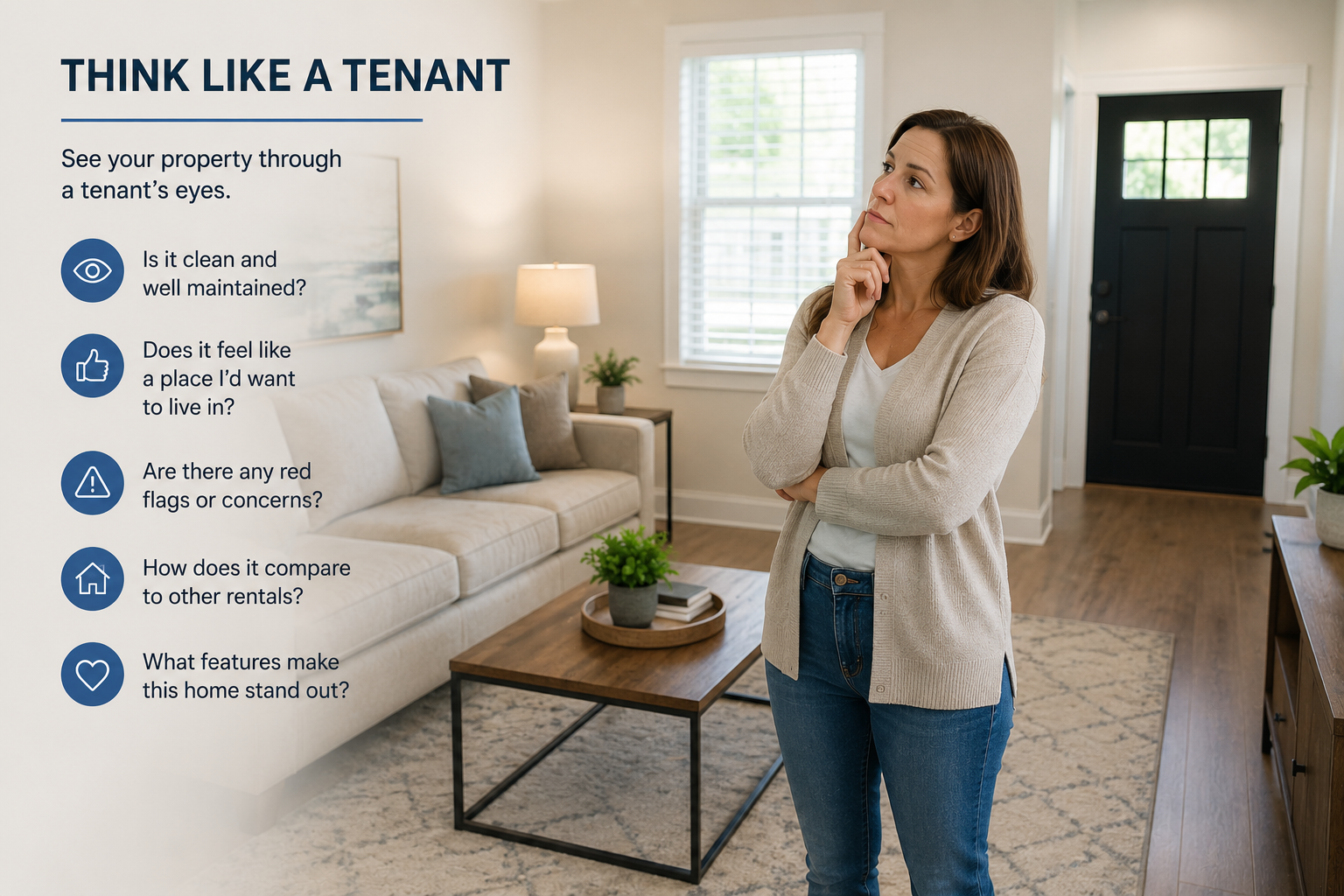
One of the most valuable exercises a property owner can perform before marketing a rental is to walk through the property as if they were a prospective tenant seeing it for the first time.
Owners naturally become accustomed to their homes over time. Small maintenance items, cosmetic imperfections, and unfinished projects often blend into the background because they have become part of everyday life. Prospective tenants, however, will notice many of these details immediately.
In many ways, tenants are looking for the same things homeowners value. They want attractive neighborhoods, functional floor plans, clean living spaces, safe communities, and properties that feel comfortable and well maintained. First impressions matter.
What an owner sees as a minor issue may be viewed very differently by a prospective tenant. Dusty ceiling fans, stained grout, worn landscaping, loose door handles, outdated light fixtures, damaged screens, or unfinished repairs can create the impression that the property has not been properly maintained.
Unlike an owner who has chosen to live with certain imperfections, tenants often expect the landlord to address these issues before move-in. If visible items appear neglected, prospective tenants may wonder what other maintenance concerns exist that they cannot see.
When evaluating your property, ask yourself:
Would I be excited to rent this home if I saw it online today?
Does the property feel clean, cared for, and move-in ready?
Are there any maintenance items that immediately catch my attention?
How does this property compare to other rentals available in the area?
What features make this home stand out from the competition?
Remember that prospective tenants are often comparing multiple properties before making a decision. Small details can influence whether they schedule a showing, submit an application, or continue searching elsewhere.
The goal is not to create a perfect property. The goal is to create a property that demonstrates pride of ownership and gives prospective tenants confidence that the home will be professionally managed and maintained.
Pro Tip
One of the best ways to evaluate a rental property is to take photos of every room and then review them as if you were seeing the property in an online listing for the first time.
Photographs often reveal clutter, maintenance issues, outdated finishes, landscaping concerns, and other distractions that may be easy to overlook during a normal walkthrough. If something stands out in a photograph, prospective tenants will likely notice it as well.
Broker's Perspective
Safety concerns rarely become less expensive with time. Addressing potential hazards, testing major systems, and verifying compliance with applicable requirements before marketing can help reduce liability and create a smoother leasing experience.
Professional managers often maintain vendor networks, inspection processes, and maintenance standards designed to identify concerns before they become larger problems. Preventative maintenance can help reduce emergency repairs, improve tenant satisfaction, and protect the long-term condition of the property.
4. Verify Safety and Functionality
Before marketing a property, owners should confirm that the home's major systems, safety features, and essential components are functioning properly. A property that is safe, reliable, and move-in ready not only creates a better first impression but can also reduce maintenance issues, liability concerns, and resident dissatisfaction after move-in.
Many owners become accustomed to minor issues over time and may not realize how those issues are perceived by prospective tenants. A loose handrail, a malfunctioning outlet, a garage door that occasionally sticks, or an HVAC system that struggles to cool properly may seem manageable to someone who has lived in the home for years. To a prospective tenant, however, these issues can raise concerns about the property's overall condition and future maintenance responsiveness.
Beyond functionality, owners should also consider whether the property complies with applicable safety requirements and regulations. Requirements can vary based on state law, local ordinances, HOA restrictions, and the specific characteristics of the property. Smoke detectors, security devices, window egress requirements, pool safety features, and other safety-related items should be reviewed before the property is offered for lease.
Owners should also remember that safety standards and building requirements evolve over time. Features that met requirements when a home was originally constructed may not necessarily align with current expectations for rental housing. While older homes are not generally required to meet every modern construction standard, owners should evaluate whether additional safety improvements would benefit both the property and future residents.
Particular attention should be given to items that directly affect occupant safety and daily functionality. Heating and cooling systems, plumbing fixtures, electrical systems, appliances, door and window locks, exterior lighting, stairways, and handrails should all be reviewed to help ensure the property is operating as intended.
For multi-story homes, owners should familiarize themselves with any local requirements or recommendations regarding emergency egress, window access, and other safety considerations. Similarly, owners should verify that garage door systems, security devices, and access controls are functioning properly and that any codes or access credentials are updated before a new tenant takes possession of the property.
Pro Tip
One of the easiest ways to identify potential concerns is to walk through the property with a critical eye and ask yourself:
"If I were moving my family into this home tomorrow, what would I want fixed first?"
The answer often provides a good starting point for determining which repairs, safety items, and maintenance concerns should be addressed before marketing the property.

Consider a Professional Inspection
One option many owners overlook is obtaining a professional home inspection before marketing the property.
Most people associate home inspections with buying or selling a home, but inspections can also provide valuable information for rental property owners. A qualified inspector can identify maintenance concerns, safety issues, deferred repairs, and system deficiencies that may not be obvious during a routine walkthrough.
An inspection can also help owners prioritize improvements, develop a maintenance plan, and better understand the property's current condition before a tenant moves in. In many cases, the cost of an inspection is minor compared to the expense of discovering significant issues after the property is occupied.
Broker's Perspective
Many leasing decisions are influenced within minutes of a showing. Cleanliness, presentation, and overall condition often have just as much impact as the property's size or location. First impressions can determine whether a prospect submits an application or continues their search.
5. Make a Strong First Impression
Before prospective tenants ever submit an application, they begin forming opinions about the property. Those impressions are often made within the first few minutes of viewing photos online or walking through the home.
A clean, well-presented property communicates that the home has been cared for and maintained. Conversely, dirt, clutter, odors, overgrown landscaping, and neglected maintenance items can cause prospective tenants to question how the property has been managed.
Many owners underestimate the impact that presentation can have on leasing success. In competitive markets, two similar properties may command similar rental rates, yet the cleaner and better-presented home often receives more inquiries, more showings, and stronger applications.
Preparing a property for the market should involve more than simply removing personal belongings. Owners should evaluate the property as a product being presented to prospective customers.
Particular attention should be given to areas that tenants notice immediately, including:
Entryways and curb appeal
Kitchens and bathrooms
Flooring and baseboards
Windows and window coverings
Ceiling fans and light fixtures
Appliances
Landscaping and exterior appearance
Pro Tip
Before scheduling photos or showings, walk through the property and pretend you are seeing it for the very first time.
Better yet, invite a friend or family member who has never lived in the home to walk through it and provide honest feedback. Fresh eyes often identify issues, distractions, or presentation concerns that owners no longer notice.
Even relatively small details can influence how a property is perceived. Burned-out light bulbs, dusty ceiling fans, dirty windows, stained grout, and overgrown flower beds may seem minor individually, but together they can create the impression that the property has not been properly maintained.
Photos are equally important. For many prospective tenants, online listing photos create the first showing experience. A property that is clean, bright, and professionally photographed will generally generate more interest than a similar property with poor presentation.
Prospective tenants often begin evaluating a property long before they arrive for a showing. Listing photos, online descriptions, drive-by observations, and even the condition of neighboring properties can influence their perception before they ever step inside. By the time a prospective tenant enters the front door, they may already have formed an opinion about whether the property feels desirable, well-maintained, and worth pursuing.
This is especially important in competitive rental markets where prospective tenants may be comparing several properties at the same time. While rental price is certainly a factor, presentation often influences which properties receive showings, applications, and ultimately signed leases. A property that feels clean, bright, and well cared for can often outperform a comparable property that appears neglected or dated.

Consider Professional Cleaning
Many owners find that professional cleaning is one of the highest-return investments they can make before marketing a rental property.
Professional cleaners often address areas that owners may overlook, including baseboards, ceiling fans, appliance interiors, window tracks, blinds, light fixtures, cabinet interiors, and other detailed cleaning items that contribute to a property's overall appearance.
A professional cleaning can also help eliminate odors, remove accumulated dust, brighten living spaces, and create a move-in-ready appearance that photographs well and leaves a positive impression during showings.
For owners who have recently moved out of the property, professional cleaning can be especially valuable. After years of occupancy, it is common for homes to accumulate wear, dust, and residue that may not be noticeable to the owner but can be immediately apparent to prospective tenants.
The cost of a thorough cleaning is often small compared to the benefits of attracting qualified applicants, reducing time on market, and creating a positive first impression.
Broker's Perspective
Before a property is marketed, professional managers typically create a detailed property profile containing utility information, property features, HOA requirements, maintenance records, leasing policies, and other information frequently requested by prospective tenants. Having this information organized before marketing begins can improve efficiency and reduce misunderstandings.
6. Gather Property Information
A. Understand Your Property Like a Tenant Will
Before marketing a rental property, take time to evaluate the home from a prospective tenant's perspective.
Most tenants are trying to answer a simple question:
"Will this home fit my lifestyle and needs?"
That means they want to know more than the number of bedrooms and bathrooms. They want to understand how the property functions day-to-day.
The more prepared you are to answer these questions, the easier it becomes for prospective tenants to evaluate the property and make a leasing decision.
C. Establish Expectations Before Marketing
One of the most common mistakes new landlords make is creating rules after a tenant has already moved in.
Instead, establish expectations before the property is advertised.
Think through how you want the property to be used and decide what is important to you as the owner.
Consider questions such as:
Are pets allowed?
Is smoking permitted?
Can tenants paint walls?
Who handles lawn care?
Are additional vehicles, trailers, or RVs allowed?
Can tenants use storage buildings or garages?
Are there any HOA restrictions that apply?
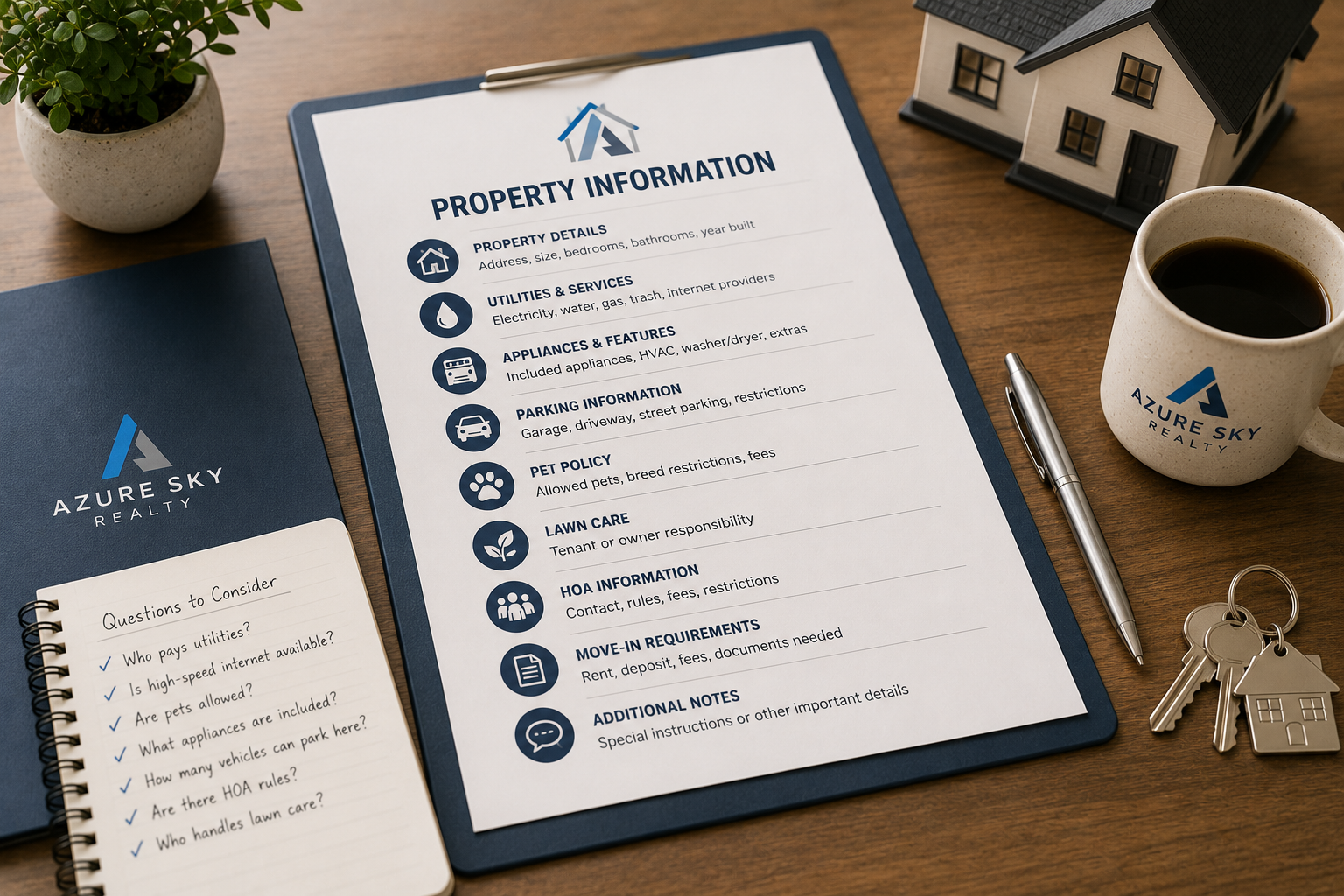
Questions commonly include:
Where do I park?
Who pays utilities?
Is high-speed internet available?
What appliances are included?
Are pets allowed?
When is the property available?
B. Identify What Makes the Property Stand Out
Every rental property has features that appeal to a particular type of tenant.
For one property, it may be a large backyard. For another, it might be proximity to Texas A&M University, a home office, updated finishes, extra storage, or access to highly rated schools.
Before marketing the property, identify the features that would make someone choose your home over competing rentals.
Ask yourself: "If I were recommending this property to a friend, what would I highlight first?"
Those answers often become the foundation of effective marketing.

Many landlord-tenant disputes occur because expectations were never clearly communicated. Establishing policies before marketing helps create consistency and reduces misunderstandings later.
Once you've established those expectations, organize them into a simple property information sheet along with utility providers, appliance information, HOA details, recent improvements, and other information prospective tenants may need.
The more organized you are before marketing begins, the smoother the leasing process typically becomes.
Step 4: Understand Texas Rental Laws and Landlord Responsibilities
Once the property is ready for the rental market, owners should take time to understand the legal responsibilities that come with being a landlord.
Many first-time landlords are surprised to learn that rental housing is governed by a combination of federal laws, Texas statutes, local ordinances, HOA restrictions, and lease obligations. While most landlord-tenant relationships are straightforward, misunderstandings can become costly when owners are unfamiliar with their responsibilities.
Understanding the legal framework before marketing a property can help reduce risk, improve tenant relationships, and prevent avoidable mistakes.
1. Fair Housing Laws Apply to Everyone
One of the most important responsibilities of any landlord is complying with fair housing laws.
Federal law prohibits housing discrimination based on protected characteristics, and these requirements apply whether a property is managed by a professional management company or by an owner renting a single home.
Fair housing considerations extend beyond tenant selection. Advertising language, showing practices, screening criteria, and communication with prospective tenants can all create potential concerns if not handled consistently.
Many fair housing complaints arise not from intentional discrimination, but from inconsistent application of policies and procedures.

Broker's Perspective
One of the biggest advantages of establishing written rental criteria before marketing a property is consistency. Professional property managers typically apply the same standards to all applicants, helping reduce risk and create a more objective screening process.
2. Understand Security Deposit Requirements
Security deposits are one of the most common sources of landlord-tenant disputes.
Texas law governs how security deposits must be handled, when deductions may be made, and the timeframes associated with returning deposits after a tenant vacates the property.
Good documentation is critical. Move-in photos, condition reports, maintenance records, invoices, and written communication can all help support deposit decisions and reduce misunderstandings.
Property owners should also understand the difference between normal wear and tear and tenant-caused damage, as those distinctions often become important when determining appropriate deductions.
Pro Tip
The best time to document a property's condition is before the tenant moves in. Detailed photos and a written move-in condition report can provide valuable protection for both the owner and resident.
3. Know Your Repair Responsibilities
Many owners assume that tenants are responsible for most issues that occur during the lease term. In reality, landlords retain significant responsibilities for maintaining the property.
Texas law imposes obligations related to conditions that materially affect the health and safety of residents. In addition to legal requirements, prompt maintenance often helps protect the property itself and improve tenant satisfaction.
Successful landlords typically view maintenance as an ongoing investment rather than an occasional expense.
Examples may include HVAC failures, plumbing leaks, electrical concerns, water intrusion, structural issues, or safety-related repairs.
Ignoring maintenance concerns rarely makes them less expensive.
Understanding the legal responsibilities of being a landlord is an important part of protecting both your property and your investment. Once you have established your policies, documentation, and compliance framework, the next step is attracting qualified applicants through effective marketing and professional presentation.
Broker's Perspective
Professional managers often maintain established vendor relationships and maintenance procedures that help identify issues early and coordinate repairs efficiently. Preventative maintenance frequently costs less than emergency repairs and can help preserve both property value and tenant satisfaction.
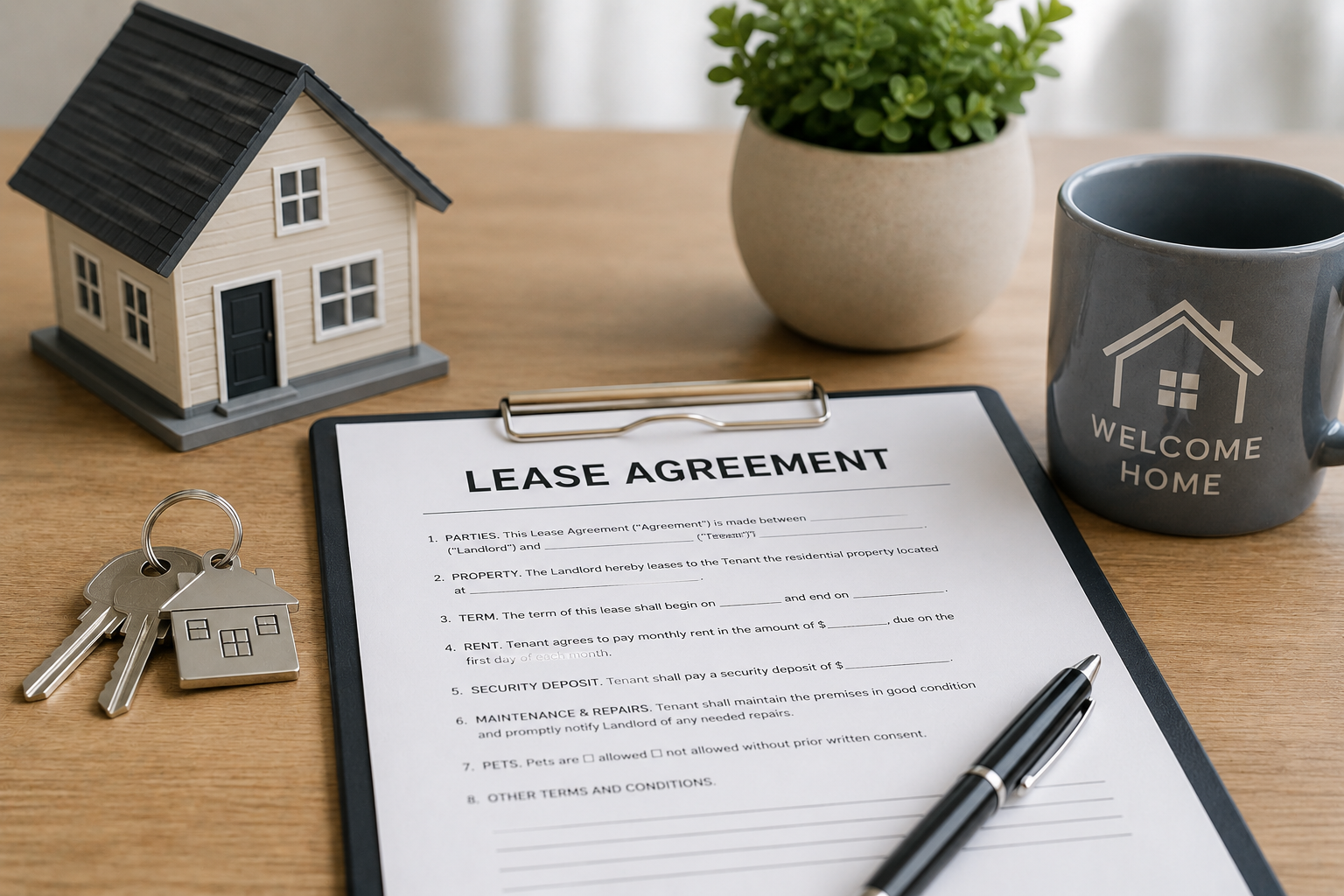
4. Use a Strong Lease Agreement
The lease serves as the foundation of the landlord-tenant relationship.
A well-written lease helps establish expectations, allocate responsibilities, and provide a framework for handling common situations that may arise during the tenancy.
Many owners are tempted to download lease forms from the internet. However, lease agreements should be tailored to the property, ownership goals, and applicable laws.
Additional documents may also be appropriate, including:
Pet agreements
HOA addenda
Resident policies
Lead-based paint disclosures
Utility addenda
Property-specific rules and requirements
The goal is not to create more paperwork. The goal is to clearly communicate expectations and reduce misunderstandings.
5. Understand Local Requirements
In addition to Texas law, property owners should familiarize themselves with any local regulations that may affect their rental property.
Depending on the location, this could include municipal ordinances, HOA restrictions, occupancy regulations, property registration requirements, short-term rental restrictions, or safety requirements.
Requirements can vary significantly from one community to another.
Pro Tip
Do not assume that what applies to one property necessarily applies to another. Properties located in different cities, counties, or homeowners associations may be subject to different requirements. Always check with local authorities first!
6. Keep Good Records
One of the habits that separates successful landlords from struggling landlords is documentation.
Owners should maintain organized records related to lease agreements, applications, maintenance requests and records, invoices, inspection reports and photos, security deposits and deductions, communications, and insurance information.
Good recordkeeping can simplify tax preparation, improve maintenance tracking, support deposit decisions, and provide valuable documentation if disputes arise.
Broker's Perspective
Many first-time landlords underestimate how much documentation accumulates during a tenancy. Professional property management systems are designed to organize records, communications, maintenance history, lease documents, and financial information in a centralized location. Good recordkeeping not only protects the owner but often leads to a smoother experience for residents as well.
Step 5: Market the Property and Attract Qualified Applicants
Even the best rental property can sit vacant if prospective tenants never see it.
Successful marketing involves more than posting a few photos online and waiting for inquiries. Today's renters have access to hundreds of listings, making first impressions, presentation, and responsiveness more important than ever.
Effective marketing helps attract qualified applicants, reduce vacancy, and position your property competitively within the market.
1. Professional Photography Matters
Most prospective tenants will decide whether to schedule a showing based on the photos they see online.
Poor lighting, cluttered rooms, blurry images, or incomplete photo sets can significantly reduce interest, even when the property itself is desirable.
High-quality photographs should showcase:
Curb appeal
Living spaces
Kitchens and bathrooms
Bedrooms
Outdoor areas
Unique features and upgrades
Remember that prospective tenants are often comparing your property against dozens of others online.

Broker's Perspective
One of the most common mistakes owners make is spending thousands of dollars preparing a property and then using poor-quality photos to market it. Professional photography is often one of the highest-return investments in the entire leasing process because it directly influences how many prospective tenants choose to schedule a showing.
2. Write an Effective Listing Description
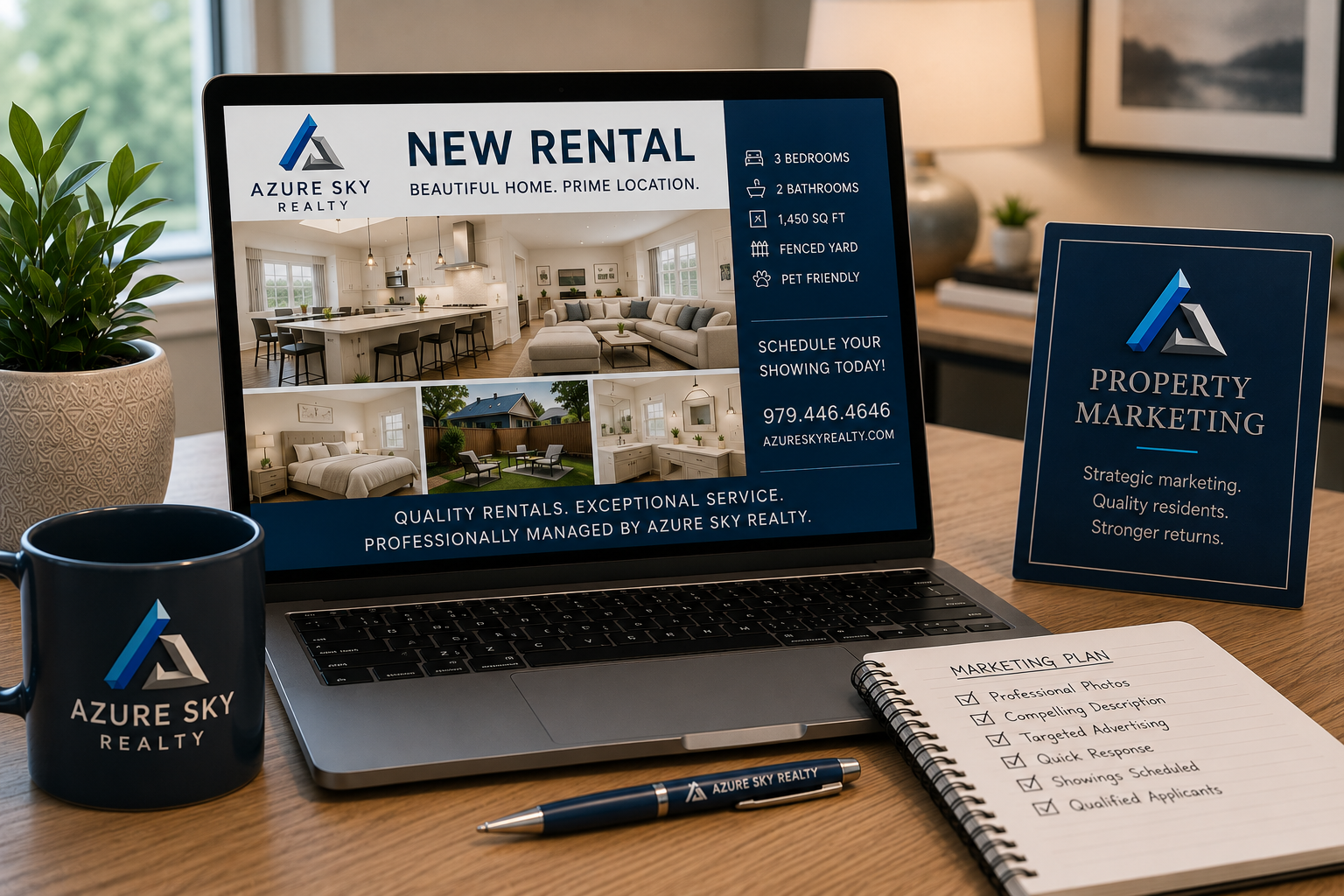
A listing description should do more than describe the property—it should help prospective tenants understand why the home is worth seeing.
Instead of simply listing features, focus on benefits.
For example:
Less Effective:
3 bedroom, 2 bathroom home with fenced yard.
More Effective:
Well-maintained 3-bedroom home featuring an open floor plan, fenced backyard, and convenient access to shopping, dining, and major employers.
The goal is to help prospective tenants imagine living in the home.
3. Advertise in the Right Places
Not all marketing platforms produce the same results.
Depending on the property and market, owners may utilize: rental listing websites, brokerage websites, social media platforms, local housing groups, yard signs, relocation resources, or corporate housing channels.
The objective is not necessarily maximum exposure. The objective is reaching qualified prospects who are most likely to become successful residents.
4. Respond Quickly to Inquiries
Prospective tenants frequently contact multiple properties during their search.
Delays in responding can result in missed opportunities, especially during active leasing seasons.
When inquiries are received, owners should be prepared to:
Answer questions promptly
Schedule showings efficiently
Provide application information
Communicate rental requirements clearly
Responsiveness often influences a prospect's perception of how the property will be managed.
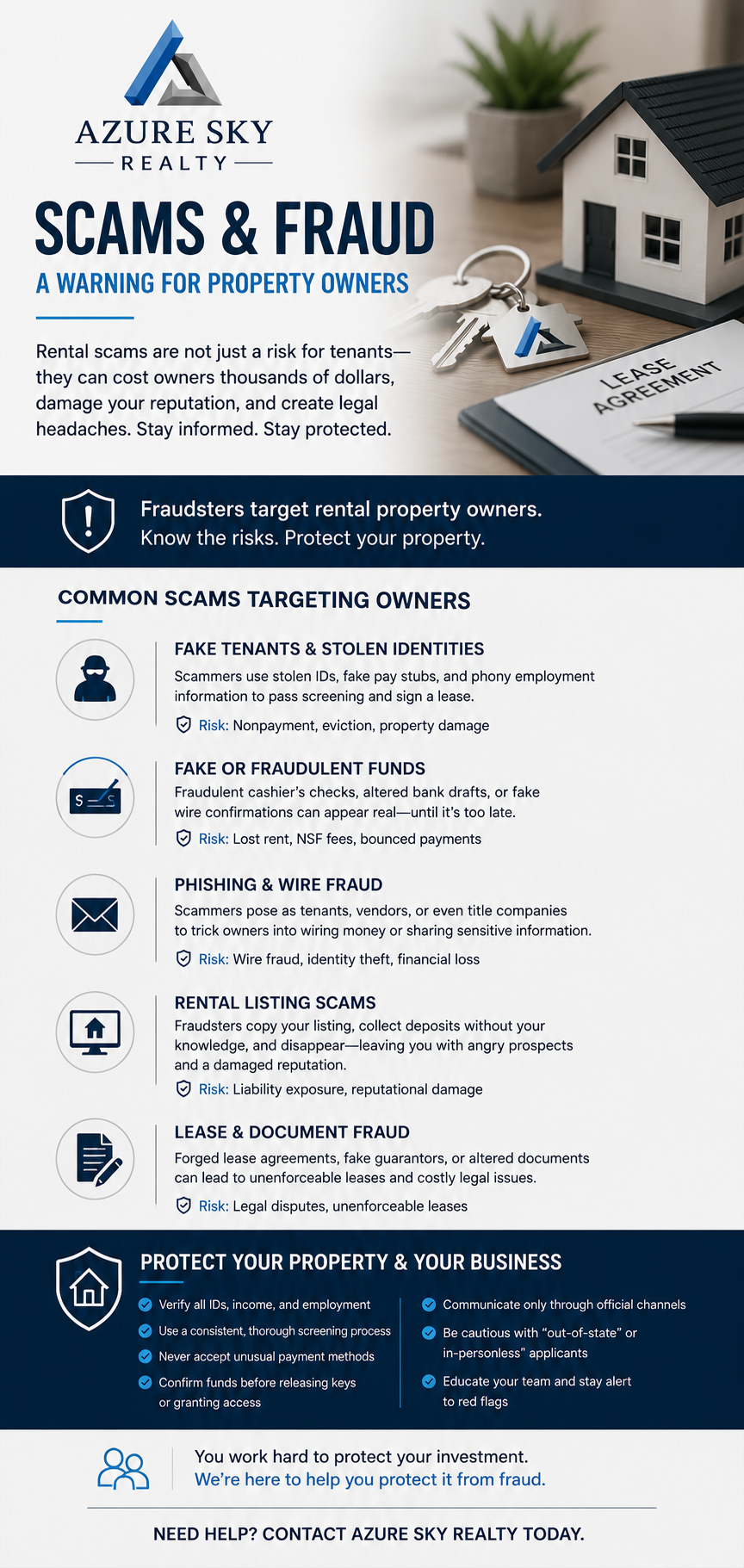
5. Be Prepared for Scams and Fraud
Rental scams have become increasingly common.
Property owners should be cautious when interacting with prospective tenants and avoid shortcuts that bypass established screening and application procedures.
Warning signs may include:
Requests to move in immediately without viewing the property
Offers to pay large amounts in advance
Incomplete applications
Suspicious documentation
Attempts to avoid verification processes
Consistent procedures help protect both owners and legitimate applicants.
Pro Tip
Establish your application, screening, and showing procedures before marketing begins and follow them consistently for every prospect.

Broker's Perspective
Professional property managers often utilize multiple marketing channels simultaneously, allowing properties to reach a larger audience while maintaining consistent information across platforms.
6. Schedule and Conduct Showings Professionally
A showing is often the prospect's first in-person experience with the property.
Before each showing:
Ensure the property is clean
Verify systems are functioning properly
Turn on lights
Address odors
Secure pets
Remove unnecessary clutter
The goal is to reinforce the positive impression created by the listing.
7. Understand Seasonality and Market Conditions
Rental demand fluctuates throughout the year.
In markets like Bryan-College Station, leasing activity is often influenced by:
Texas A&M academic schedules
Graduation cycles
Major employer hiring trends
New construction inventory
Interest rates and homeownership affordability
Owners should recognize that market conditions may affect both rental rates and time on market.
Broker's Perspective
Many owners focus exclusively on rental price while overlooking timing. In reality, pricing, seasonality, presentation, and market conditions all influence leasing success. Understanding how these factors interact can help owners make more informed decisions when marketing a property.
Step 6: Screen Applicants Carefully and Consistently
Finding a prospective tenant is only half the challenge. The real goal is finding a resident who will pay rent on time, follow the lease, communicate responsibly, and take care of the property.
Many of the most expensive landlord problems begin with poor screening decisions. While no screening process can eliminate risk entirely, a consistent and thorough evaluation process can help owners make more informed decisions and avoid many common issues.
1. Can the Applicant Afford the Rent?
The first question most landlords ask is whether the applicant has sufficient income to comfortably afford the property. Employment status alone does not necessarily answer that question.
Income should be stable, verifiable, and consistent with the applicant's financial obligations. Owners should take time to understand where income comes from, whether it is likely to continue, and whether supporting documentation matches the information provided on the application.
Applicants who struggle financially at move-in often face even greater challenges when unexpected expenses arise later.
Broker's Perspective
One of the most common screening mistakes is focusing only on whether an applicant is employed. Professional managers typically verify both income and stability, recognizing that the ability to pay rent consistently is often more important than the amount of income reported on an application.
2. Does the Applicant Have a History of Being a Good Resident?
Past behavior is often one of the strongest indicators of future behavior.
A prospective resident may have excellent income and strong credit, but prior rental history can reveal important information about how they treated previous properties and fulfilled lease obligations.
Speaking with prior landlords and reviewing rental history may help identify patterns involving late payments, lease violations, property damage, or frequent moves. While no applicant is perfect, owners should look for evidence of responsibility, stability, and respect for the property they occupy.
3. What Does the Applicant's Financial History Tell You?
Credit reports can provide valuable information, but they should be viewed as part of the overall picture rather than the sole basis for a decision.
A credit report may reveal patterns of financial responsibility, outstanding obligations, collections, or previous hardships. It can also provide context about how an applicant manages their financial commitments over time.
Rather than focusing exclusively on a credit score, many experienced landlords evaluate the entire financial profile and consider how it aligns with the property's rental requirements.
4. Are There Any Red Flags or Signs of Fraud?
Rental fraud has become increasingly sophisticated. Altered documents, stolen identities, fabricated employment information, and fraudulent references are more common today than many owners realize.
For this reason, screening should focus on verification rather than simply collecting paperwork.
When information cannot be independently verified, or when details provided by an applicant do not align with supporting documentation, additional investigation may be warranted. A few extra minutes spent verifying information can prevent significant problems later.
Pro Tip
If something feels rushed, inconsistent, or too good to be true, slow down and verify the information before making a decision.
5. Are You Applying the Same Standards to Everyone?
Perhaps the most overlooked part of screening is consistency.
Owners should establish rental criteria before marketing the property and apply those standards uniformly to every applicant. Consistent screening practices not only create a fairer process but also help reduce risk and support compliance with Fair Housing requirements.
Making exceptions based on personal impressions, sympathy, or convenience can create complications that may be difficult to defend later.
Broker's Perspective
A credit score is a tool, not a decision. Professional managers often evaluate credit history alongside employment, income, rental history, and overall application strength to better
understand risk.

Broker's Perspective
One of the advantages of professional property management is that screening decisions are typically guided by established criteria rather than emotion. Consistency helps protect both the property owner and the applicant while creating a more objective decision-making process.
Step 7: Execute the Lease and Prepare for Move-In
Approving an applicant is an important milestone, but the leasing process is not complete until expectations have been clearly communicated, documentation has been completed, and the resident has successfully moved into the property.
A smooth move-in process helps establish a positive landlord-resident relationship while reducing misunderstandings that can lead to future disputes.
1. Set Expectations Before Move-In
Many landlord-tenant disputes begin because expectations were never clearly discussed.
Before move-in, residents should understand their responsibilities regarding rent payments, maintenance requests, property care, communication procedures, and lease compliance.
This is also a good time to review property-specific rules related to parking, smoking, pets, lawn care, storage areas, HOA requirements, and any other expectations unique to the property.
Clear communication at the beginning of a tenancy often prevents problems later.
Broker's Perspective
Many owners assume residents will read and remember every provision of the lease. In reality, move-in is often the best opportunity to explain expectations and answer questions before misunderstandings occur.
2. Execute the Lease and Collect Funds
Before keys are released, all required documents should be signed and all required funds should be collected according to the terms of the lease agreement.
This often includes security deposits, first month's rent, pet fees, utility documentation, and any required addenda.
Owners should verify that all signatures have been completed and retain copies of all executed documents for their records.
A well-organized lease file can be invaluable if questions arise later during the tenancy.
3. Document the Property's Condition
One of the most important steps in the move-in process is documenting the condition of the property before occupancy.
Photographs, videos, and written condition reports provide a clear record of the property's condition at the beginning of the lease term. This documentation can help protect both the owner and the resident by establishing a shared understanding of the property's condition.
The goal is not to look for problems. The goal is to create an accurate baseline that can be referenced later if necessary.
Pro Tip
Take more photos than you think you'll need. Future disputes rarely involve the areas that owners expected to become issues.

4. Prepare the Resident for Success
A successful tenancy often begins with providing residents the information they need before problems occur.
Residents should know:
How to submit maintenance requests
How to make rent payments
Who to contact during emergencies
Utility responsibilities
Trash and recycling procedures
Rather than waiting for questions to arise, many landlords find it beneficial to provide this information in a welcome packet or move-in guide.
5. Deliver Keys and Begin the Tenancy
Once documentation has been completed and funds have been collected, the resident can officially take possession of the property.
At this stage, the focus shifts from leasing the property to managing it successfully.
While every tenancy will have occasional maintenance requests or questions, a well-prepared move-in process often leads to smoother communication, better resident experiences, and fewer surprises for both parties.
Broker's Perspective
The move-in process establishes the tone for the entire landlord-resident relationship. Properties that begin with clear communication, thorough documentation, and well-defined expectations often experience fewer disputes and stronger resident satisfaction throughout the lease.

Step 8: Should You Self-Manage or Hire a Professional Property Manager?
By this point, you've seen that successfully renting a home involves far more than simply collecting rent each month. From preparing the property and marketing it effectively to screening applicants, coordinating maintenance, managing lease renewals, and staying current with legal requirements, rental ownership requires both time and systems.
The next question every owner should ask is whether self-management or professional management is the better fit for their goals, experience, and available time.
1. Self-Management Can Be Rewarding
Many owners successfully manage their own rental properties.
Self-management provides direct control over decisions, tenant interactions, maintenance coordination, and day-to-day operations. Some owners enjoy being closely involved in their investments and prefer handling these responsibilities personally.
For owners with the time, experience, and willingness to learn, self-management can be a viable option.
However, it is important to understand that rental ownership is an active investment. Emergencies rarely occur on a convenient schedule, and tenant issues often require prompt attention.

Broker's Perspective
Many first-time landlords underestimate the amount of time required to manage a property effectively. The leasing process may only occur occasionally, but maintenance coordination, communication, documentation, and compliance responsibilities continue throughout the tenancy.
2. Ask Yourself These Questions
Instead of asking whether you can manage the property yourself, ask whether you want to.
Consider:
Do I have time to respond to maintenance issues?
Am I comfortable screening applicants?
Can I handle lease enforcement consistently?
Am I available when emergencies occur?
Do I understand Fair Housing and landlord-tenant laws?
Will I still want to do this three years from now?
3. When Professional Management May Make Sense
Professional management is not necessary for every owner, but it can provide value in situations where:
The owner lives out of town.
Time is limited.
The property is part of a larger investment strategy.
The owner prefers a more passive investment experience.
Multiple properties are involved.
Compliance and risk management are concerns.
A professional manager can help coordinate leasing, maintenance, communication, inspections, accounting, and day-to-day operations while allowing the owner to remain focused on broader investment goals.
4. Think About Your Time
One of the most overlooked costs in rental ownership is the owner's time.
Showing properties, answering inquiries, reviewing applications, coordinating vendors, handling maintenance requests, collecting rent, preparing renewals, and maintaining records all require attention.
For some owners, that involvement is enjoyable.
For others, it eventually becomes a distraction from family, career, business, or future investment opportunities.
5. There Is No Wrong Answer
Some owners will decide to self-manage and do so successfully for many years.
Others will determine that professional management better aligns with their goals.
The important thing is making an informed decision after understanding the responsibilities involved.
Whether you manage the property yourself or work with a professional, success usually comes from having clear systems, consistent processes, and realistic expectations.
Broker's Perspective
Many owners initially hire a property manager because they lack time. Others hire one because they realize their time is more valuable when spent growing their business, purchasing additional investments, or focusing on other priorities. Professional management often becomes less about convenience and more about efficiency.

How to Rent Out a House in Texas Frequently Asked Questions
-
The rental value of a property depends on factors such as location, condition, size, amenities, market demand, and competing rental inventory. A professional rental analysis can help determine a realistic rental range based on current market conditions.
-
No. Texas property owners may lease and manage their own properties without a real estate license. However, licensing requirements may apply when managing property for others.
-
Texas law does not set a maximum security deposit amount for most residential rentals. Many landlords charge an amount equal to one month's rent, although market conditions and property characteristics may influence the decision.
-
In most cases, landlords may establish pet policies for their rental properties. However, service animals and assistance animals are not considered pets and may be subject to different legal requirements under Fair Housing laws.
-
Landlords commonly review income, employment stability, rental history, credit history, and other factors established in their written rental criteria. Screening should be conducted consistently and in compliance with Fair Housing laws.
-
Many landlords choose to prohibit smoking due to potential property damage, odors, increased cleaning costs, and fire concerns. If smoking is prohibited, the policy should be clearly addressed in the lease agreement.
-
That depends on your goals, experience, available time, and comfort level with leasing, maintenance coordination, legal compliance, and tenant communication. Some owners enjoy being actively involved, while others prefer professional management so they can focus on other priorities.
-
Owners often consider professional management when they:
Live out of town
Own multiple properties
Have limited time
Want a more passive investment experience
Need assistance with leasing, maintenance, or compliance
-
Common mistakes include:
Overpricing the property
Inadequate tenant screening
Poor documentation
Ignoring maintenance issues
Using weak lease agreements
Failing to understand Fair Housing requirements
Setting policies after problems arise instead of before
-
Time on market varies based on pricing, seasonality, condition, location, and market demand. Proper pricing, strong marketing, and professional photography can often reduce vacancy time.
-
Texas law provides procedures that may be available to landlords when a tenant fails to comply with the lease. Because eviction and landlord-tenant disputes involve legal rights and obligations, property owners should consult qualified legal counsel regarding their specific circumstances.
-
Yes. Azure Sky Realty assists property owners with rental pricing, marketing, applicant screening, lease administration, maintenance coordination, resident communication, renewals, and ongoing property management throughout Bryan-College Station, Waco, Temple-Belton, Navasota, and surrounding Central Texas communities.
Important Disclaimer
The information contained in this article is provided for general educational and informational purposes only. It is not intended as legal, tax, accounting, investment, insurance, property management, or real estate advice.
Every property, owner, tenant, lease agreement, and legal situation is unique. Laws, regulations, market conditions, and local requirements may change over time and may vary based on the property's location and specific circumstances.
Property owners should consult with qualified legal counsel, tax professionals, insurance providers, financial advisors, contractors, and other appropriate professionals regarding their specific situation before making decisions related to rental property ownership, leasing, property management, tenant screening, security deposits, maintenance obligations, Fair Housing compliance, or other legal and financial matters.
Azure Sky Realty does not provide legal advice, and readers should not rely on this article as a substitute for advice from qualified legal counsel.
No Agency Relationship Created
Reading this article, downloading materials, using calculators or resources, submitting a contact form, requesting a rental analysis, scheduling a consultation, or communicating with Azure Sky Realty through this website does not create a brokerage relationship, property management agreement, agency relationship, client relationship, fiduciary relationship, or representation agreement.
Representation and property management services are provided only after the execution of the appropriate written agreements as required by Texas law and company policy.
Why Many Owners Choose Professional Management
Managing a rental property successfully requires more than collecting rent each month. Effective property management involves marketing, applicant screening, lease administration, maintenance coordination, resident communication, inspections, accounting, legal compliance, and protecting the long-term value of the property.
Some owners enjoy being directly involved in those responsibilities. Others prefer to focus on their careers, families, businesses, or investment strategies while having an experienced team handle the day-to-day operations.
Professional management can help simplify ownership while providing systems, processes, and resources that may be difficult for individual owners to replicate on their own.
Ready to Explore Your Options?
Whether you're preparing to rent out your first home, evaluating an investment property, or deciding whether self-management is still the right fit, Azure Sky Realty can help you develop a strategy aligned with your goals.
Our team provides professional property management services throughout Bryan-College Station, Waco, Temple-Belton, Navasota, and surrounding Central Texas communities.


Azure Sky Realty Can Help With:
Rental pricing and market analysis
Property preparation recommendations
Professional marketing and leasing
Applicant screening and lease administration
Maintenance coordination and vendor management
Resident communication and renewals
Investment property guidance and portfolio growth
Every property and every owner has different goals. We take the time to understand your objectives and develop a management strategy designed around your property, your investment plan, and your desired level of involvement.
Schedule a Consultation
Have questions about renting your home, maximizing rental income, or professional property management?
Schedule a consultation with Azure Sky Realty and let's discuss your property, your goals, and the options available to you.
Broker's Perspective
Many owners initially contact us because they have a vacancy to fill or a maintenance issue to solve. Over time, they often discover that the greatest value of professional management is not solving a single problem—it's having a trusted team in place to help protect their investment, reduce risk, and create a more predictable ownership experience.